Introduction
When we lose a loved one, navigating grief is an emotional challenge. The first few days after a death are often a blur of phone calls, paperwork, and intense emotional confusion. In the chaos of grief, where do you find a foothold?
The answer lies in the ceremony. The act of gathering, remembering, and saying a focused goodbye is often the most profound and necessary therapeutic act a family can take.
The Importance of Acknowledgment
-
The Psychological Need for Closure
In the early stages of grief, one of the most important yet often unspoken needs is a sense of closure. Psychologists describe this as the mind’s desire to make sense of what has happened and to create a coherent story around the loss. Closure doesn’t mean forgetting or “moving on” — rather, it allows us to begin integrating the reality of death into our ongoing lives. Rituals, reflection, and meaningful farewells help provide this psychological anchor, enabling mourners to accept the finality of death while still honouring the continuing bond they feel with the person who has died.
-
Creating a “Time Out” for Grief
A funeral or memorial ceremony offers a much-needed time out from the practical demands and emotional noise that follow a death. It creates a protected space where grief can be acknowledged openly, allowing mourners to pause, reflect, and begin to process their loss together.
The Power of Personalization and Validation
- Seeing the Person, Not Just the Death: A personalised, non-religious celebration-of-life ceremony focuses intently on the life lived. When we share unique stories, favourite quirks, and small triumphs, we validate the deceased as a unique individual. This validation acts as a balm – when our loved one is seen, heard, and acknowledged by the celebrant, the pain of loss is soothed. We offer comfort to each other by confirming that their life mattered. We ease the rawness of grief with warmth, truth, and respect.
Integrating Meaningful Rituals (Secular Rituals)
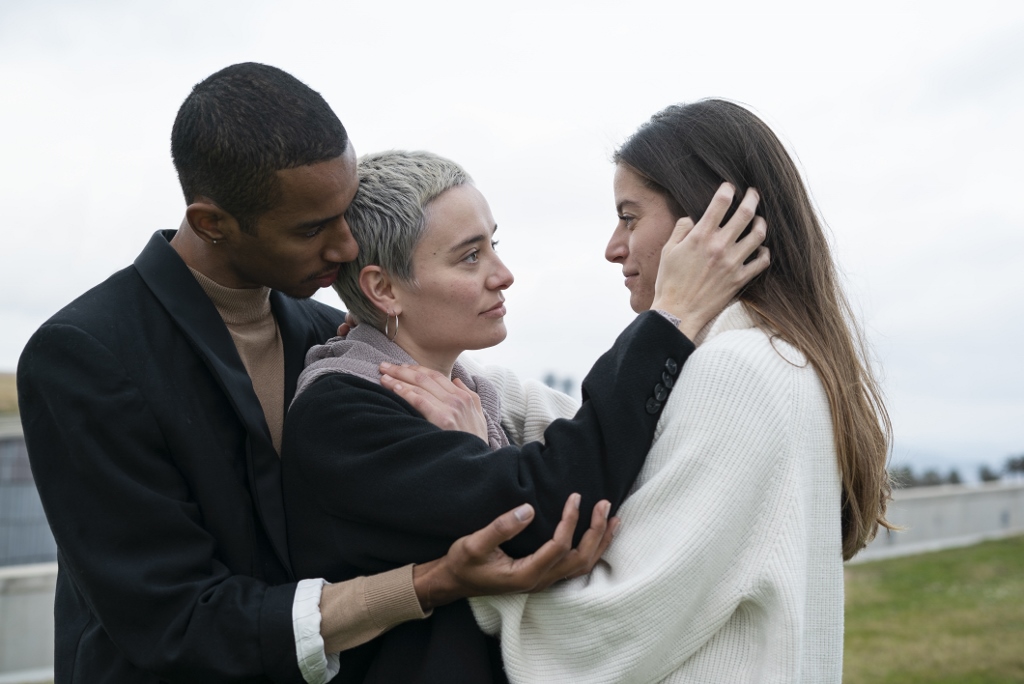
The ceremony may be non-religious but that does not mean that we do not use rituals. Rituals provide a sense of order when life feels chaotic, offering familiar patterns that help people process emotion and find connection.
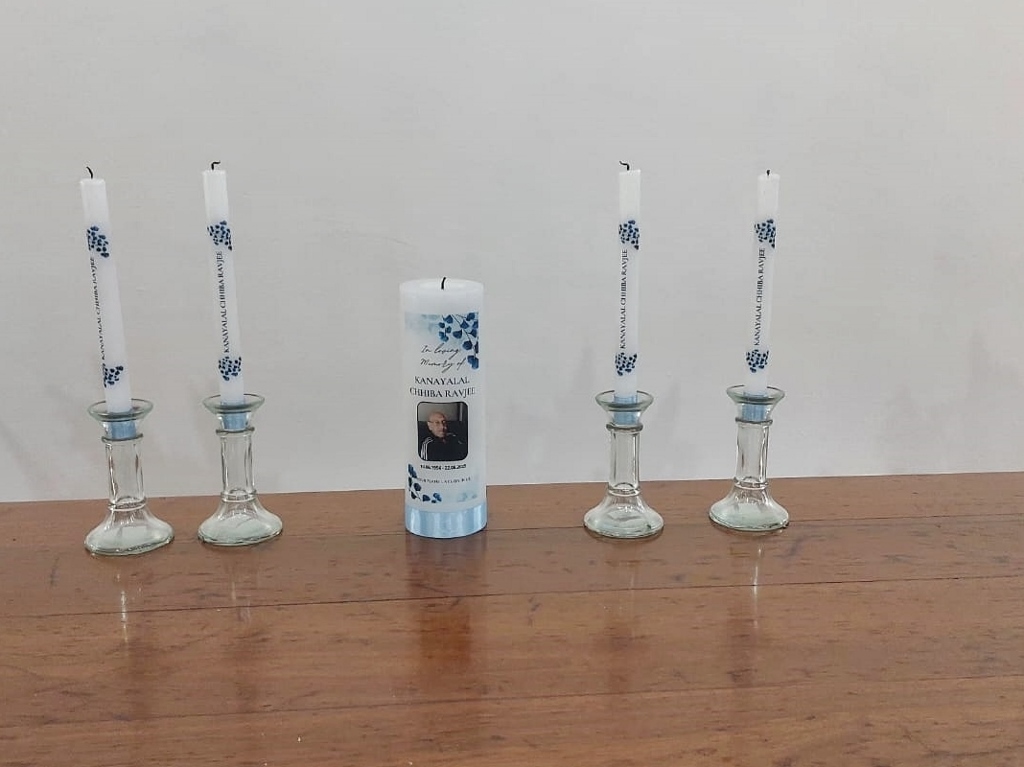
We use readings of poetry or prose, play music for times of reflection, we share anecdotes, light candles or decorate the coffin. They also create a shared language of grief, linking individuals within a community of mourners. We remind everyone that while loss is deeply personal, it is also universally human.
Here are more suggestions for Wordways’ memorial rituals . These acts give physical expression to abstract grief.
The Therapeutic Value of Collective Support
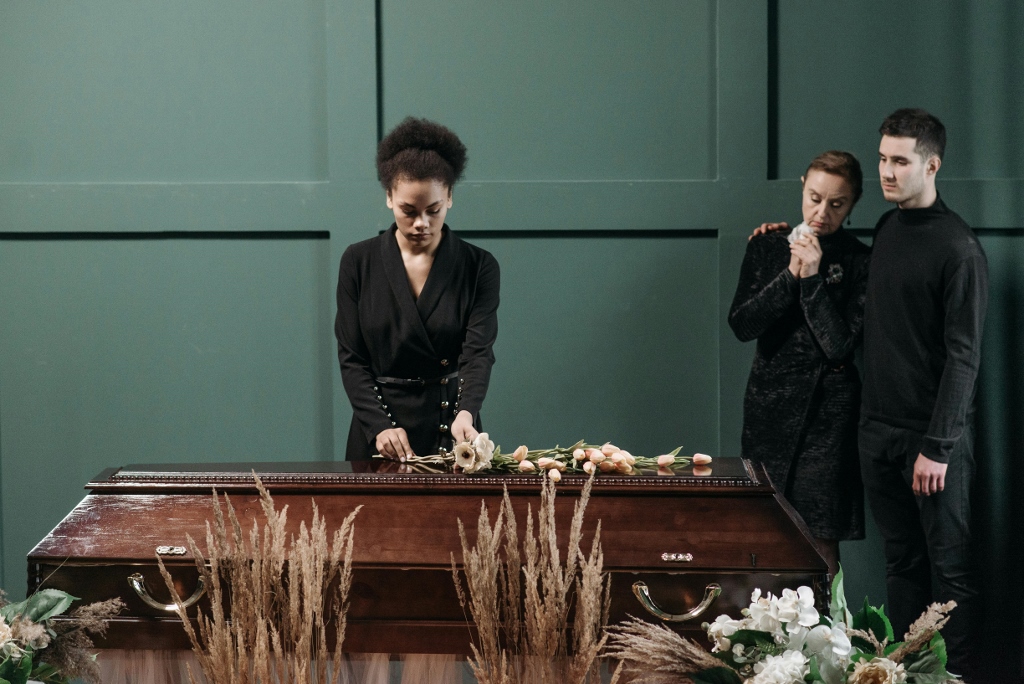
- Grief Shared is Grief Softened: The ceremony is one of the few occasions where an entire community gathers with the sole purpose of supporting the immediate family. This visible demonstration of support combats the intense loneliness often associated with loss.
- Witnessing the Ripple Effect: When the close family sees how many lives the deceased touched and they receive support from other mourners, they gain much comfort and can reaffirm the significance of the life that was lost. It turns private sorrow into a communal experience.
Structure and Narrative as a Healing Tool
- The Narrative Arc: The ceremony begins with a welcome and an acknowledgement of our sense of loss and grief. The funeral officiant then tells the story of the life of the deceased. If there are other speakers she will draw them in at appropriate times in that story. She will include readings that will highlight the interests and hobbies of the deceased. The end takes the form of a blessing, gratitude for the life that we have celebrated and the final farewell on this last stage of the deceased’s journey. This logical progression helps guide the bereaved through their initial raw emotions.
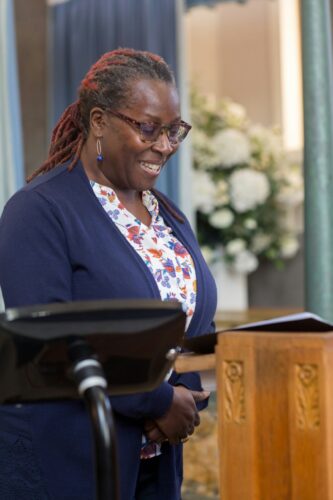
The celebrant guides the murners through the life story of their loved one. - Permission to Laugh and Cry: A meaningful ceremony is not necessarily sombre and only filled with tears. The celebrant balances sorrow with genuine moments of shared humour and warmth. These moments of appropriate levity are not disrespectful; they are honest reflections of a full life and provide necessary emotional relief. We laugh because we love.
Conclusion
A well-crafted, personalised ceremony doesn’t erase the pain of loss, but it allows the pain a safe space to exist, transforming paralysing sorrow into meaningful memory. It is a necessary and beautiful step on the long journey of healing.
The weight of loss is heavy enough without the burden of planning. If you are ready to explore how a tailored, non-religious ceremony can provide the structure and support you need right now, let’s talk. Contact Vanessa to discuss your vision for a healing and heartfelt celebration of life ceremony.
Frequently Asked Questions About Navigating a Non-Religious Funeral in South Africa
A non-religious funeral offers a personal and meaningful way to honour someone’s life without reference to religion. Whether you’re planning a humanist ceremony, a celebration of life, or a simple farewell, this guide answers common questions about non-religious funerals in South Africa — from who leads the service to where we can hold it and how it creates a sense of meaning and closure.
Who leads a non-religious funeral?
A professional funeral celebrant or officiant leads the ceremony. The celebrant works closely with the family to learn about the person’s life, then writes and delivers a service that captures their story, achievements, personality, and relationships. The tone can be formal or relaxed — it’s entirely guided by what feels right for the family.
How long does a non-religious funeral ceremony typically last?
A non-religious funeral ceremony typically lasts between 30 to 45 minutes. This can be adjusted based on family preferences and the number of people participating. The length often depends on how many eulogies will be shared, whether there will be musical performances, video tributes, or other personalized elements. There’s no prescribed duration—unless you are in a chapel at a crematorium or a funeral parlour. Then a specific time will be allocated to you.
Can we have religious readings or music at a non-religious funeral?
Yes, if it feels right for your family or reflects the person’s background. A non-religious ceremony is inclusive and flexible — it may include a hymn, prayer, or scripture reading chosen for personal significance rather than as an act of worship. The focus is always on authenticity and respect.
Where can we hold a non-religious funeral?
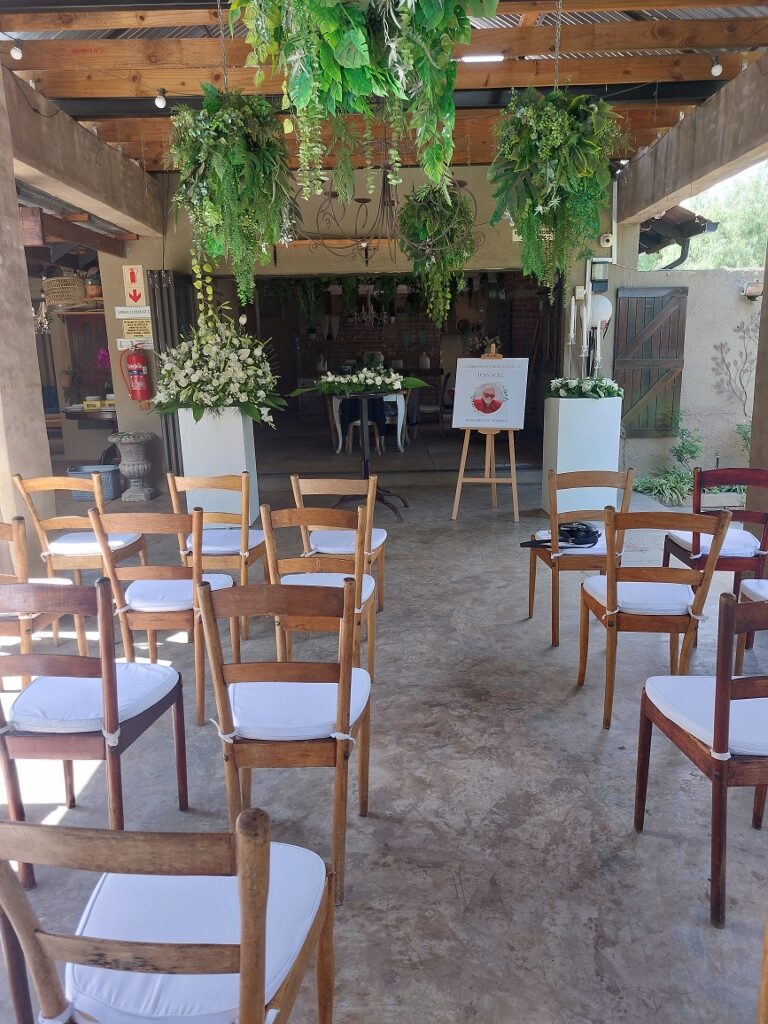
Almost anywhere — at a crematorium or cemetery chapel, a memorial park, a private garden, or a community hall. Some families prefer to hold a celebration of life at home or at a special location that held meaning for their loved one. The setting should feel comfortable and appropriate to the person being honoured.
How does a non-religious funeral create meaning without religious content?
We create meaning through stories, shared memories, and the collective act of remembrance. By focusing on the person’s life, values, and relationships, the ceremony brings comfort and a sense of closure, while affirming the dignity and worth of every human life.
The featured image is taken from The Good Funeral Guide.