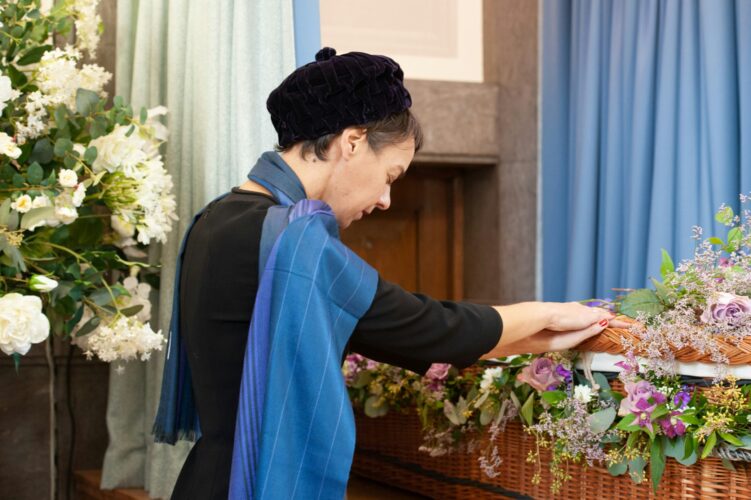
In recent years, more families have begun choosing a Celebration of Life ceremony in place of, or in addition to, a traditional funeral. While both serve the essential purpose of honouring a life that has ended, they do so in notably different ways. Understanding these differences can help families make informed choices that feel authentic, meaningful, and aligned with their values.
As a non-religious celebrant, I see first-hand how powerful it can be when families choose the format that truly reflects the person they have lost.
Purpose and tone
A traditional funeral is often solemn, structured and shaped by religious belief or long-held cultural practices. Its tone tends to be reflective and reverent. The focus is commonly on mourning the loss, offering prayers, and providing spiritual comfort. Many people find deep reassurance in these familiar rituals, especially when they are part of a faith community or have grown up with these traditions.
A Celebration of Life, however, shifts the emphasis. While it still acknowledges grief, it places greater focus on the person’s story, their character, achievements and connections. The tone is more uplifting, often warmer and more personal. Instead of centring the sadness of death, it centres the gratitude for the life lived. Families often describe it as a chance to remember with affection, not only with sorrow.
A non-religious ceremony can still have rituals and readings, which meet the needs of the bereaved.
Neither is “better”; they simply serve different emotional purposes.
Structure and flexibility
Traditional funerals tend to follow a familiar framework: a religious officiant leads the service, readings are chosen from scriptures, and hymns or prayers are included. This structure can feel grounding at a time when life feels chaotic. Many faith-based funerals also include specific rites such as blessings, liturgy or opportunities for congregational participation.
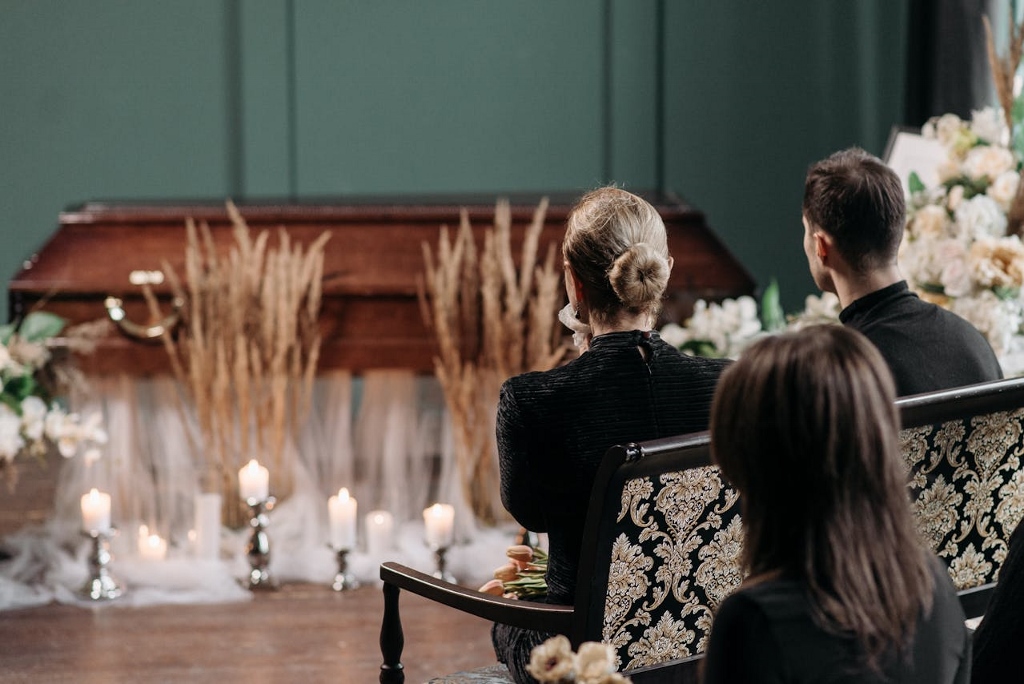
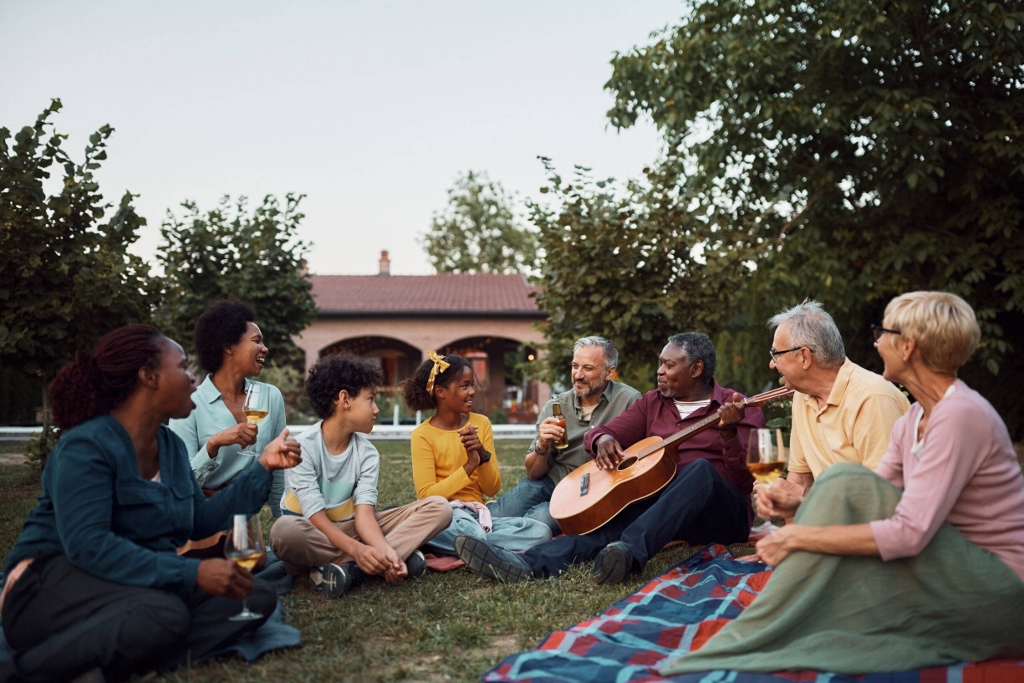
A Celebration of Life offers far more flexibility. There is no set template. Instead, the ceremony is created around the individual: their personality, their stories, their quirks, their passions. The order of service can include anything the family chooses — from live music to symbolic gestures, from poetry to personal tributes. Some ceremonies are held at chapels or funeral homes; others take place at home, in a garden, or at the club or venue where the person spent time.
Because the structure is open, a Celebration of Life can be tailored to reflect what the person valued rather than what tradition dictates.
Religious vs non-religious elements
A key distinction lies in the role of religion.
Traditional funerals are usually based within a specific faith tradition. The readings, prayers and officiant all reflect that belief system. For families who hold that faith, these elements provide spiritual meaning and continuity.
By contrast, a Celebration of Life does not assume any particular belief. It can be entirely non-religious, humanist or secular, focusing instead on human connection, storytelling and shared memory. Some families still choose to include a hymn or a prayer because it was meaningful to the deceased — but these elements are optional rather than expected. They might also be an acknowledgement of the beliefs of members of the family, rather than that of the departed loved one.
This approach is often especially comforting for families whose members hold diverse beliefs, or for those who prefer a ceremony grounded in human values rather than doctrine. Wordways Ceremonies accommodates many different non-religious rituals. Read about them elsewhere on the website.
Location and atmosphere
Traditional funerals typically take place in a church, chapel, crematorium or other religious facilities. These settings carry a sense of solemnity, and many people appreciate their familiarity.
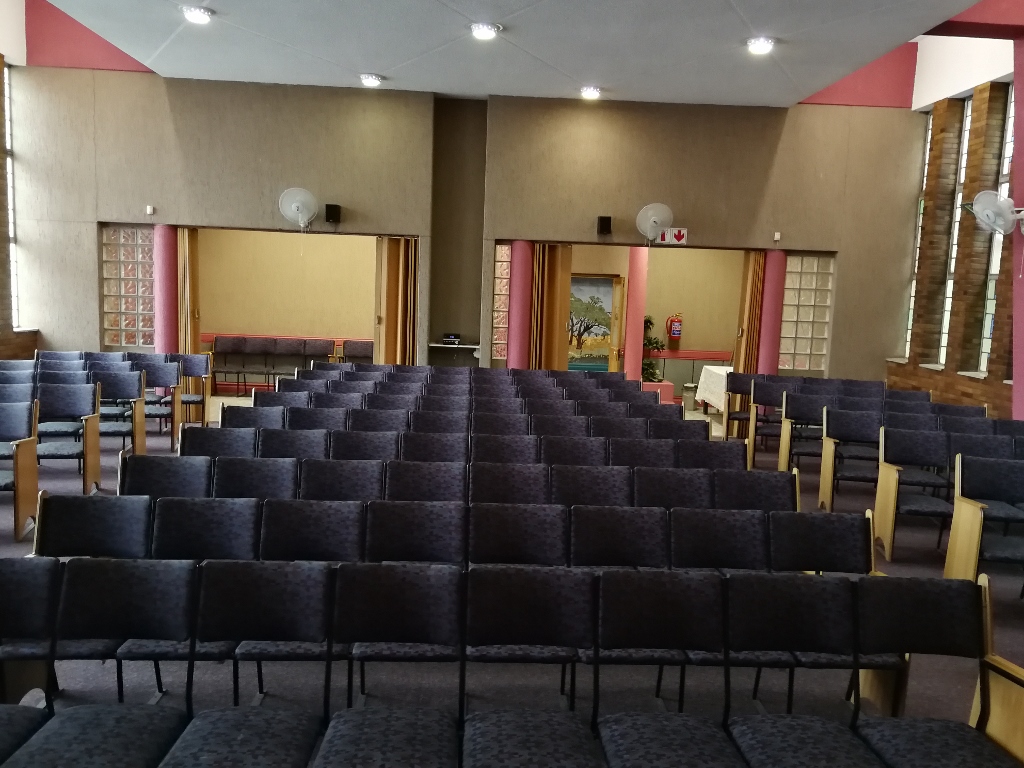
Celebration of Life ceremonies may take place almost anywhere. I have conducted ceremonies in gardens, restaurants, retirement homes, community halls, favourite clubs and even a theatre. The setting itself often reflects the personality of the person being honoured — warm, welcoming and filled with reminders of how they lived.
The atmosphere tends to be more relaxed. Guests may be encouraged to wear colours the person loved, bring photos to display, or share spontaneous stories during the ceremony.
Focus of the ceremony
Traditional funerals often focus on the universality of death, emphasising faith teachings about the afterlife, comfort from scripture, and the mourning community’s shared experience.
A Celebration of Life focuses on the individuality of the deceased. The content is highly personalised: specific anecdotes, achievements, family relationships, hobbies and values. The ceremony aims to paint a vivid picture of the person, allowing mourners to reconnect with who they were — not just acknowledge that they are gone.
This personal emphasis often brings moments of lightness, humour and warmth, even amidst grief.
Emotional experience
Grief is not one-size-fits-all, and neither is ceremony. Traditional funerals can offer closure, familiarity and the comfort of rituals many people have known all their lives. They can hold the weight of sorrow in a way that can feel cathartic.
Celebrations of Life offer a different type of healing. They invite people to remember not only the end of someone’s life, but the entirety of it. Many families describe these ceremonies as more comforting because they evoke a sense of connection rather than finality. It is music to a celebrant’s ears when a member of the family comes out of a ceremony and says, “I feel better now.”
One approach may resonate more strongly for a particular family depending on their relationship with the deceased, their spiritual beliefs and the type of support they seek.
When families choose celebration of life or traditional funeral
Families may choose a Celebration of Life when:
- The deceased was not religious or preferred a more relaxed approach;
- They want the freedom to personalise the ceremony;
- They would like a lighter, more reflective tone;
- They want to involve multiple speakers or contributions;
- They want the ceremony to feel like “them”.
Traditional funerals may be the preferred choice when:
- The person held strong religious beliefs;
- The family wants the ceremony to follow a familiar pattern;
- The community expects a particular rite;
- Spiritual comfort is important in the grieving process.
Some families choose both: a small, private funeral followed later by a larger Celebration of Life.
Conclusion
Both traditional funerals and Celebrations of Life offer meaningful ways to honour a person who has died. The distinction lies in tone, focus and flexibility.
Ultimately, the most important question is not which approach is “better”, but which best reflects the life, values and personality of the person being honoured. When a ceremony feels authentic — whether solemn or celebratory — it becomes a powerful space not only for grieving, but for healing.
If you would like guidance in planning a non-religious funeral or Celebration of Life in Gauteng, I am always here to help create a ceremony that truly captures the essence of your loved one. Contact me today to discuss your ceremony.
Frequently Asked Questions about Funerals
Where can a non-religious funeral be held?
Non-religious funerals in South Africa can be held at various venues including funeral homes, community centres, family homes, retirement homes, gardens, or other meaningful locations. The choice of venue is entirely up to the family and what feels most appropriate for their loved one.
What typically happens during a non-religious funeral service?
A non-religious funeral usually includes eulogies from family and friends, readings of poems or meaningful texts, music that was significant to the deceased, sharing of memories, and sometimes symbolic acts like lighting candles or releasing balloons. The service is entirely customised to reflect the person’s life and values.
Burial options: what different ways can we lay our loved one to rest?
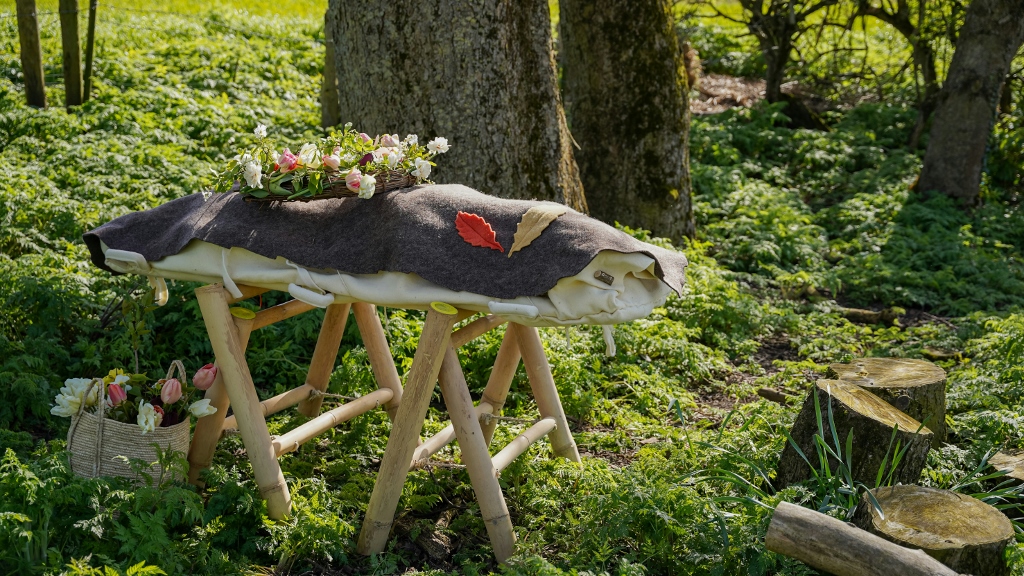
The most obvious way is burial, but many choose cremation. Aquamation has been introduced in South Africa and there are natural processes available in a few natural burial grounds. Read more about the options.
How can we honour cultural traditions in a non-religious funeral?
We can base a funeral on Ubuntu principles; traditional music or songs; traditional clothing or colours; ancestral acknowledgment; food and fellowship; storytelling traditions and symbolic rituals.
What happens if family members disagree about having a non-religious funeral?
Disagreements about funeral arrangements are common and can be emotionally charged. Here are some approaches to navigate this: keep communications open; find compromise; honour the deceased’s wishes; have separate gatherings; seek mediation and focus on shared values.
What are the important points that my after-death instructions should include?
Funeral/Memorial Service Details: ceremony type; tone; venue; officiant; music; readings; flowers/donations and dress code.
Final Disposition Instructions: how you want your body to be dealt with, including, embalming, burial, cremation, etc.
Practical and Administrative Matters: executor, document location, funeral plan and key contacts.
Digital Legacy: password manager, social media, email, photos/files: and subscriptions.
Personal & Final Messages: gifts, farewell messages, and regrets/apologies.
Read about after-death instructions in more detail.