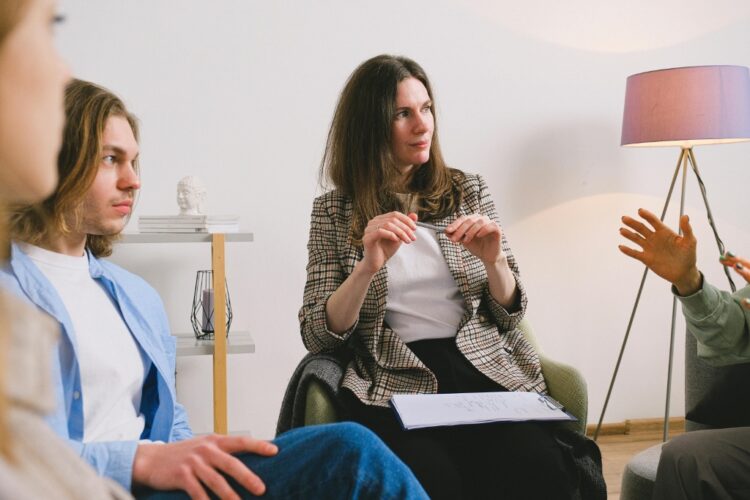
Planning a funeral, especially in the midst of grief, can feel overwhelming and the thought of meeting your officiant could be daunting. Many families aren’t sure where to begin or what an officiant actually does. Your first meeting with a non-religious funeral celebrant is designed to bring clarity, reassurance, comfort, and a sense of partnership. It’s not an interview you need to prepare for; it’s a conversation that helps you honour a life in a way that feels true and meaningful.
The following are some of the things that you can expect in that initial meeting.
Where will you meet your funeral officiant?
In most cases the celebrant will come to the home of one of the members of the family. It is better if there is more than one member of the family present, so that a richer, more rounded picture of the deceased can be built up. Each person would have had a unique relationship with the deceased and will bring a different perspective of the departed.
Sometimes it will be a hybrid meeting, with some of the members online because they are far away. There are also times when the entire meeting will be online, due to lack of time or to save travel costs. This is not ideal, as often the personal nuances and the family relationships are clearer when one is face to face with the family. However it is still better than conducting the arrangements by email or on the phone.

The bereaved should know that the officiant is not going to judge them on the state of their home. At a time like this the celebrant will focus on putting everyone at their ease so that they can draw the information from the family in a relaxed way.
How long will it take?
The officiant will probably use an interview checklist so that they can gather all the information that they need in order to create the ceremony. The amount of time needed varies between an hour and two hours. This depends on how complex the person’s life was, the number of people at the meeting and the amount of information they have.
Do I need to prepare for a funeral meeting?
The family should not feel that they need to prepare anything for this interview. A non-religious ceremony is built around the person, not a template. Paperwork and family trees are not necessary, although it is good to have some dates and some details of family history.
Together with the family, the celebrant will tell the story of the life of the deceased. We call it a celebration of life ceremony, so let’s tell the story of that life. There will be the biographical information about where and when the person was born, something about their family, where they were educated and the kind of work that they did. The celebrant will ask about relationships, marriages where appropriate and details about children, if the deceased had any.

But there will also be descriptions of them as a person, their personality, their achievements, their interests and hobbies. We also want to hear about the effect they had on other people.
The officiant will want to hear of people’s memories, their shared experiences, the things that made the family laugh about the loved one, as well as the things that used to annoy people.
The family should be honest if there is anything that they do not wish to discuss or have shared at the ceremony.
The officiant will ask about the details of their death and check if the family wish to thank anyone who cared for the deceased.
Thinking about the ceremony itself
Then the celebrant will discuss the ceremony itself. The family will probably have decided on the venue for the ceremony by then. Often this choice will give an idea of the feeling or tone of the ceremony.
The feel of the ceremony
The venue might lend itself to quite a formal ceremony or it might allow for a gentle and relaxed sharing of stories. A non-religious celebration of life ceremony is not bound to any particular formula or structure.
Timeframe
We need to establish how long the family would like the ceremony to be. This will partly depend on the number of speakers there are going to be. Also, if the family want any rituals, such as lighting candles or writing down messages or memories, it will add to the length of the ceremony.
The duration might also be affected by where the ceremony is being held. If it is in the chapel at a crematorium or at a funeral parlour, there will be a time limit.
Religion and spirituality
The family will choose a non-religious celebrant to create the ceremony if the deceased was not religious. This choice reflects an authentic view of the person whose life we are celebrating.
They might also choose a secular officiant if there are members of different religions within the family. In this case there might be readings, chants or music to represent the beliefs and traditions of those who are present.
Music
In most cases the music plays an important role in establishing the atmosphere during the ceremony. It will be in keeping with the tastes of the deceased.
Usually there are three pieces of music. There will be music playing as the mourners arrive and a particular tune will indicate that the ceremony is about to begin, particularly if the coffin is going to be brought in.
Then there is often a piece played round about the middle of the ceremony. This allows a time for reflection, when everyone thinks about their memories and relationship with the deceased and what they will miss about them.
Finally there will be a closing piece of music, preferably a bit more upbeat, to capture the end of a celebration of a life.
There could also be a live performance.
The officiant will want to know who is going to be in charge of the music, so that they can liaise with them beforehand.
Funeral tributes and speakers
The celebrant will find out who wishes to speak and what their relationship was to the deceased. It is quite likely that the speakers will be slotted in according to where they relate to the life story of the deceased. So an old school friend will speak early on, whereas a work colleague or a friend with a mutual hobby will speak later.
The speakers are encouraged to focus on their particular shared experience with the loved one, so as to avoid repetition.
The officiant will ask for the tributes to be sent over to them as soon as possible, and there are several reasons for this: to make sure that there is not too much duplication of stories, so that they can take over if the speaker feels that they are not able to speak, they can be sure that the speakers stick to time allocations, particularly if is a time limitation, and so that they can weave the tributes seamlessly into the ceremony as a whole.
It does also mean that the celebrant can present the family with a copy of the whole ceremony afterwards.
Readings
The ceremony will include readings of poetry or prose. These might be about grief or life after we have lost a dear one or they might capture aspects of life that the departed was interested in. If there are no requests from the deceased or from the family, the officiant can suggest readings. Some can be read by the celebrant and some can be shared by friends or relatives.
Slideshow
Most families choose to show some photos as a way of capturing the different significant moments and people in the life that we are celebrating. This slideshow, with accompanying music, can be playing while people are arriving. You can run it as part of the reflection or it can be shown at the end of the ceremony. The officiant will want to know who is going to be responsible for the running of the slideshow.
Symbolic rituals
There are many symbolic gestures that the officiant might suggest, if the family would like to include short rituals. You can read about some elsewhere on the Wordways Ceremonies website.
Dress code
Nowadays families prefer not to specify a dress code. However, the deceased may have had a favourite colour that was synonymous with them and the family might ask that the celebrant or everyone wears something of that colour.
Space to Ask Questions
The officiant will want to reassure the family, and will indicate that no question is too small. Your celebrant will help you find answers that respect the person who has died and the needs of the people who love them. The celebrant will meet the bereaved where they are emotionally—whether they’re feeling organised, scattered, numb, or deeply overwhelmed. The aim is to help the family feel steadier, not to add pressure.

After the first meeting
The celebrant will undertake to create the ceremony and send a copy to a member of the family for checking. They will probably warn the family that there might be more questions later, which arise as the life story unfolds. The officiant will also assure the family that if anyone remembers something important they should feel free to let the celebrant know about it.
They will probably indicate the deadline for when the ceremony should be finalised.
Final Thoughts
Your first meeting with a non-religious funeral officiant is meant to be grounding and compassionate. It’s a chance to share stories, express your wishes, and begin shaping a ceremony that truly reflects your loved one’s life. A good celebrant will listen deeply, guide gently, and help you build something that feels honest, heartfelt, and meaningful.
If you’d like help creating a personal, inclusive, and non-religious ceremony—whether for a funeral, memorial, or celebration of life—I’m here to support you every step of the way.
Frequently Asked Questions about Meeting Your Funeral Officiant
Do we need to prepare anything before the first meeting?
No formal preparation is needed. Some families jot down key memories or bring a favourite photo to help spark conversation, but it’s completely optional. Your celebrant will guide you gently through questions about your loved one’s life, so you never have to worry about “getting it right” or having everything ready.

What if our family doesn’t agree on what the ceremony should include?
It’s very common for families to have different ideas—grief affects everyone differently. Your officiant’s role is to listen carefully and help you find a balance that honours the person who has died while respecting everyone’s emotional needs. Sometimes this means blending tones (a moment of humour alongside quiet reflection) or choosing elements that feel inclusive to all.
Can we include religious elements if some relatives would like them?
Absolutely—within a non-religious ceremony, you can still include elements that have personal or cultural significance, such as a prayer read by a family member, a hymn, or a traditional ritual. The key is that the ceremony as a whole remains centred on the person’s life and values. Your celebrant will help you incorporate these elements in a way that feels respectful and appropriate.
How much say do we have in the final ceremony script?
You have full control over the script. After your meeting, your celebrant will create a draft for you to review. You can make changes, add stories, adjust the tone, or remove anything that doesn’t feel right. The ceremony isn’t final until you feel that it truly reflects your loved one.