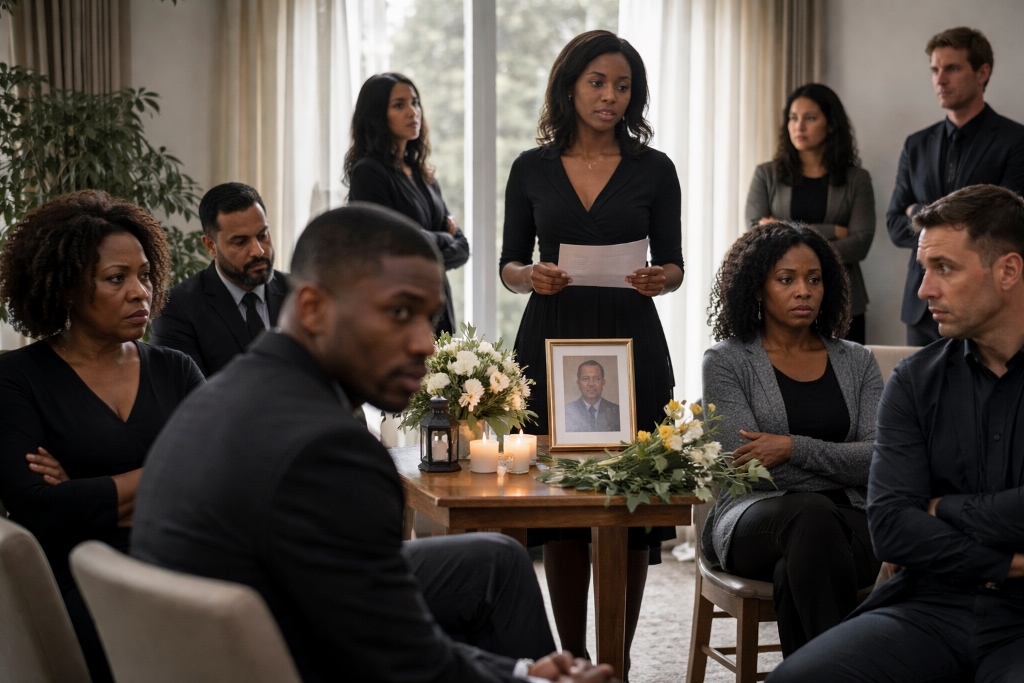
Celebrants sometimes have to create funerals for people who had had complicated relationships with their families or friends.
Some people leave behind relationships that were complex, fractured, or unfinished. There may be estranged family members, difficult memories, unresolved conflicts, or aspects of a person’s life that people struggle to reconcile.
In many traditional funeral settings, these realities can feel uncomfortable to acknowledge. Religious services in particular often follow a familiar pattern that focuses on forgiveness, redemption, or a simplified narrative of the person’s life. Or they simply follow a formulaic pattern which does not acknowledge the personal at all.
A non-religious funeral ceremony offers something different. It allows space for honesty, nuance, and compassion ~ without forcing a life into a script that does not truly fit.
When someone lived what might be called a “complicated life”, a secular ceremony can provide a respectful and thoughtful way to acknowledge the whole person.
What Makes a Life “Complicated”?
Sometimes families have to plan a farewell for:
- the deceased who struggled with addiction, mental illness, or self-destructive behaviour;
- one who was estranged from family or friends;
- someone with a criminal history or who caused harm to others;
- a person whose potential was unfulfilled or a life cut short by bad choices;
- an example of a mixed legacy, where love and pain intertwined.
The Problem with “Speak Only Good of the Dead”
Many people know the phrase “Speak only good of the dead.” It is meant to encourage respect for someone who is no longer here to respond.
In practice, however, this idea can create pressure at funerals, especially when the person who died lived a complicated life.
When families feel they must present only a positive picture, the ceremony can begin to feel disconnected from reality.
Non-religious funerals allow a more honest approach, where remembrance can include truth as well as respect.
When Positivity Becomes “Toxic Positivity”
At many funerals there is an expectation that the person who has died will be remembered only in glowing terms. Eulogies may describe someone as universally kind, loving, and admired. For some mourners, this can feel alienating. Their own experience of the person may have been very different.
This kind of forced positivity can silence genuine feelings and leave some people feeling alone and angry in their grief. A funeral does not need to become a place for criticism, but insisting on only positive memories can create its own discomfort.
The Psychological Cost of Pretending
Grief is already complicated. When people feel they must hide their true feelings, it becomes even harder.
Psychologists often emphasise that emotions need to be acknowledged in order to be processed. When sadness, anger, or confusion are pushed aside, those feelings do not disappear. They remain unresolved.
If someone experienced conflict or distance in the relationship, hearing only praise can feel like their own experience is being erased.
This is why authenticity matters. When the story feels genuine, people are more able to engage with it.
Why Honest Reflection Can Be More Healing at a Complicated Funeral
Honesty, handled with care, can make a funeral more meaningful. Recognising that someone was imperfect does not diminish their humanity.
Many people feel relief when a eulogy reflects a person as they truly were, with strengths, flaws, and struggles.
A thoughtful non-religious ceremony can acknowledge difficult parts of a life without focusing on blame. When a reflection feels real, people are often able to connect with it more deeply.
Make Space for Mixed Emotions
Grief is rarely straightforward when a person’s life was complicated.
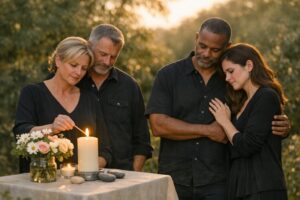
Some mourners may feel deep sadness and affection. Others may feel relief, confusion, anger, or even emotional distance. In some cases, people may be grieving not only the person who died, but also the relationship they wish they had been able to have.
A non-religious funeral can acknowledge that these mixed emotions exist.
Rather than insisting that everyone present must feel the same way, the ceremony can recognise that grief looks different for each person. The focus becomes less about prescribing how people should feel and more about creating a respectful space where those feelings are allowed. This can be particularly important for families where relationships were strained or where long-standing tensions exist.
When a ceremony acknowledges emotional complexity, it often allows people to begin processing their grief more honestly.
Focusing on Understanding Rather Than Judgement
One of the quiet strengths of a secular ceremony is that it can encourage reflection rather than judgement.
Instead of framing a life in terms of moral success or failure, the ceremony can explore the circumstances, experiences, and choices that shaped that life. Many people who lived complicated lives faced significant hardships — poverty, trauma, illness, social isolation, or other struggles.
Recognising those realities can bring a deeper sense of compassion to the ceremony.
The aim is not to excuse harmful behaviour or ignore the impact it may have had on others. Rather, it is to acknowledge that human lives are shaped by many forces and that understanding can sometimes coexist with grief.
This approach often helps mourners find a sense of closure without needing to resolve every unanswered question.
Allowing the Ceremony to Be Gentle and Human
Even when a life has been difficult or messy, a funeral ceremony can still be warm, dignified, and meaningful.
Music, poetry, personal reflections, and moments of quiet remembrance can all be included in ways that reflect the personality of the person who has died. Sometimes humour is appropriate. Sometimes simple honesty is the most powerful element.
What matters most is that the ceremony feels sincere.
A non-religious funeral creates the freedom to design a farewell that respects the reality of the person’s life while also supporting the people who remain.
Conclusion
Every life leaves a story behind, and not all stories are simple.
For people who lived complicated lives, a non-religious funeral ceremony offers the flexibility to acknowledge both the light and the shadows of that story. It allows families to remember the person honestly, without pressure to reshape their life into something it was not.
In doing so, the ceremony can become a space for reflection, compassion, and understanding ~ a place where the full complexity of being human is recognised.
And sometimes, that honesty is the most respectful tribute we can offer.
Vanessa Bower at Wordways Ceremonies can help families to create a farewell that honours everyone.
Frequently Asked Questions about Complicated Funerals
Can a funeral acknowledge difficult relationships?
Yes. A thoughtful ceremony can recognise that relationships are sometimes complex. This does not mean focusing on conflict, but it can allow the person’s life to be remembered honestly and respectfully.

What if family members have very different feelings about the person who died?
This is more common than many people realise. A non-religious ceremony can create space for different perspectives while still maintaining a calm and respectful tone for everyone present.
Does a funeral have to present the person in a completely positive way?
Not necessarily. Most families prefer a ceremony that reflects the person realistically, with kindness and compassion. Honest remembrance often feels more meaningful than a version of the story that feels forced or overly idealised.